The decision by Da Nang City Police to fine a citizen VND 7.5 million for using artificial intelligence (AI) to create a doctored image of a horse “wearing a dress” has sparked a wave of fierce criticism over the Ministry of Public Security’s rigid, copy-and-paste approach to governance.
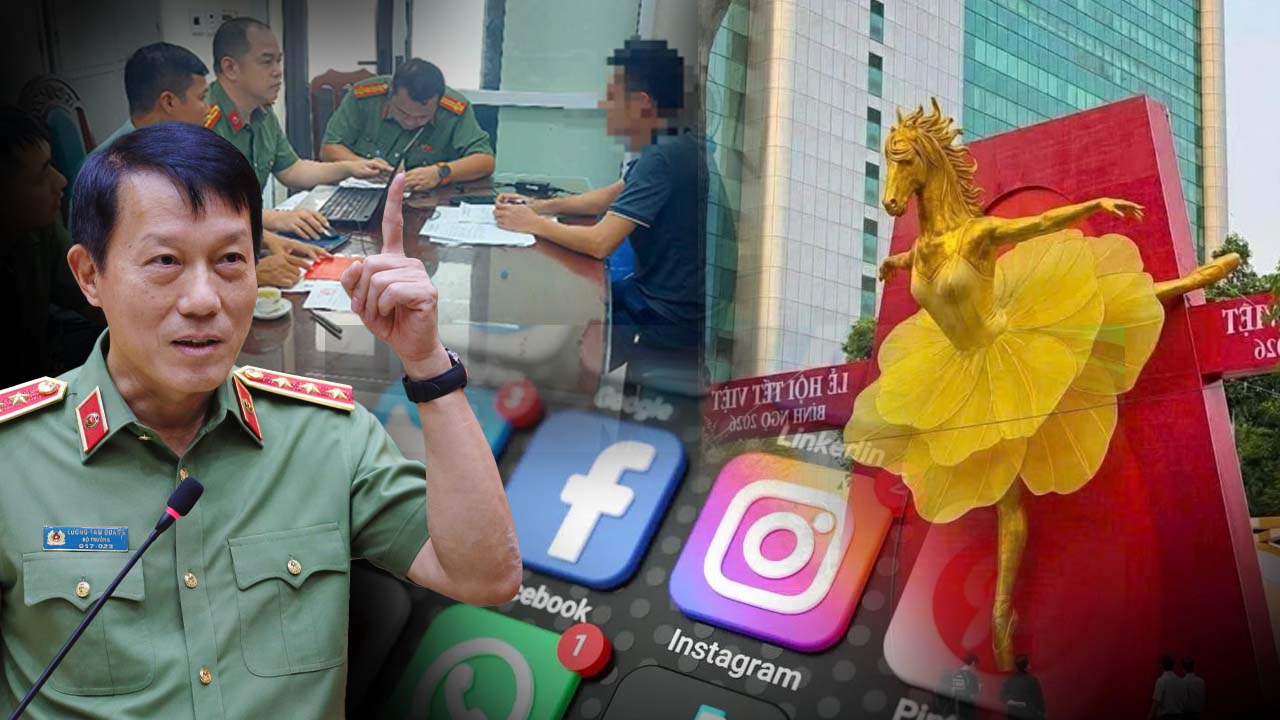
According to observers, behind this incident lies a strategy of ideological control that Hanoi is systematically copying “exactly” from Beijing.
Notably, the penalty in Da Nang occurred almost simultaneously with China’s Cyberspace Administration’s Lunar New Year campaign to “clean up” the online space.
In the neighboring country, people are strictly prohibited from using AI to alter traditional images or to insert “offensive” content into cultural symbols.
The similarity is that both regulatory systems rely on vague, general concepts such as “distorting the essence” or “creating negative public opinion” in order to punish acts of individual creativity.
The fact that a citizen in Da Nang was fined over a meme-like edited image of a horse mascot has led many to argue that if every policy of the Ministry of Public Security mirrors Beijing’s every move, then the independence of governance between the two countries has been blurred—erased to the point that borders no longer seem to exist.
Experts note that although Vietnam and China share an ideology, they remain two independent nations with distinct cultural and social characteristics.
The Ministry of Public Security’s implementation of harsh control measures in the manner Beijing is applying, they say, reflects a lack of independence and self-reliance among Vietnam’s leaders.
This copying and rigid imitation of state management policies by the Ministry of Public Security has made people feel as though they are living under a “replica” of China’s censorship system.
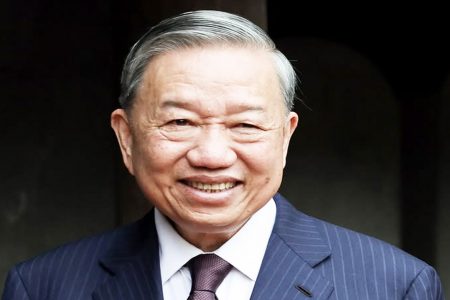
Public opinion has raised the question: is this what the General Secretary Tô Lâm’s “new era” of national resurgence is supposed to look like?
Hong Linh – Thoibao.de